Skip to content

Projects

What we have built, and what happened next

Capacities, equipment and dates on this page come from our own invoices, commissioning records and signed agreements. Companies are named with their work; private customers are not named, and their locations are given by district only.

We are not tied to one product, and not only solar

A company that imports one brand can only ever recommend that brand. We specify whatever suits the site, we service systems other people installed, and solar is one of several things we do — alongside backup power, control and changeover work, industrial wiring, networks and security.

It also means we can be honest when the answer is no. Power factor correction does nothing for most homes, and we say so before quoting rather than after.

Panels
Jinko, JA Solar and Longi — N-type TOPCon and bifacial
Grid-tie & hybrid inverters
Solis, Deye, Solax, GoodWe, Growatt and SMA
Off-grid
Must PV1800 series, from 1 kW upwards
Batteries
Our own 48 V LiFePO4 packs on JKBMS management, or manufacturer packs
Protection
Phoenix Contact and zBeny surge protection, Schneider and Chint breakers

Installed and serviced

The inverters we put on the wall — and the ones we are sent to fix

Grid-tie, hybrid and off-grid, from 1 kW in a house to 60 kW on a commercial roof. These are photographs of our own installations and service work, not catalogue shots.

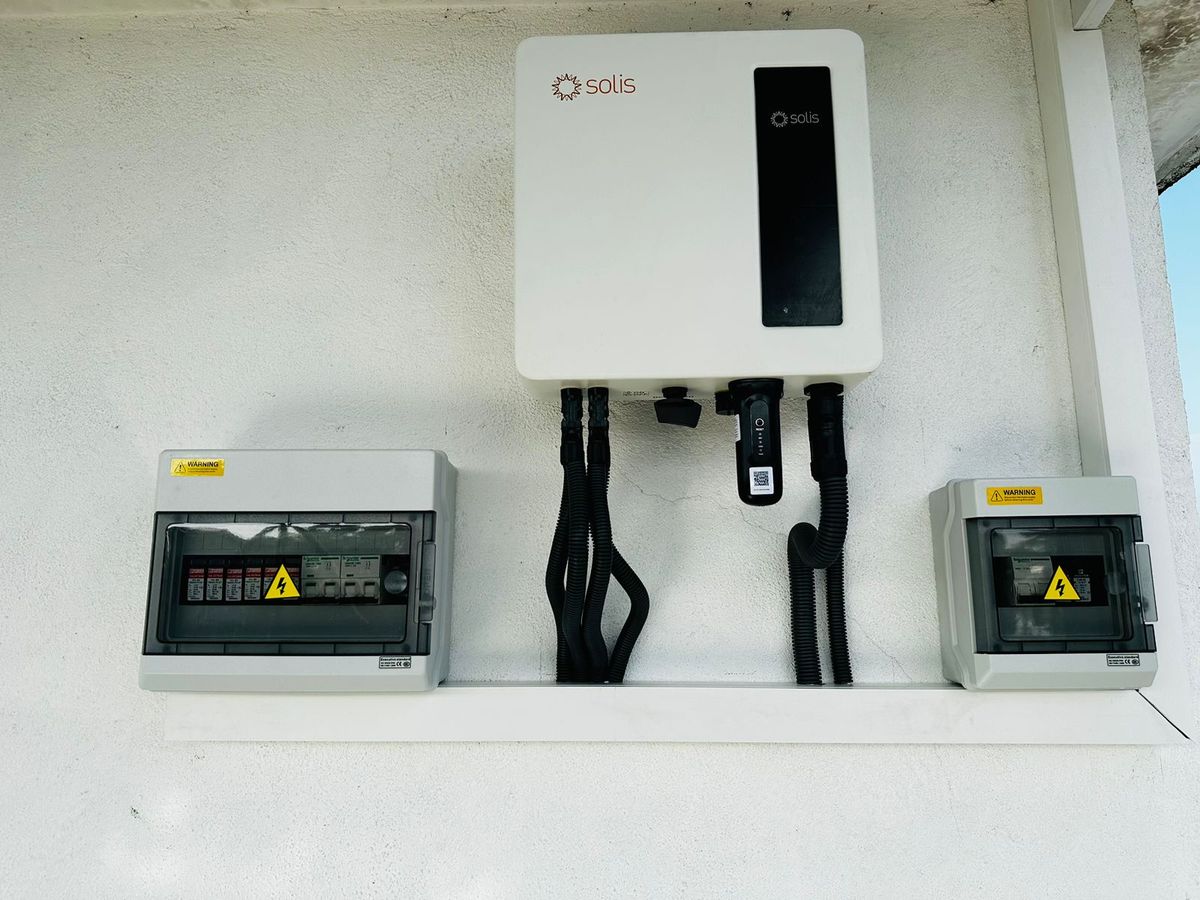
Solis grid-tie inverter mounted on a wall between two Schneider protection enclosures
Solis — grid-tie

A Solis grid-tie inverter with its DC protection on one side and AC on the other, conduit dressed straight and the monitoring dongle within reach.

Deye hybrid inverter installed on a wall above two protection enclosures
Deye — hybrid

A Deye hybrid on a 5 kW system with battery storage and a 63 A transfer switch, so the house rides through an outage.

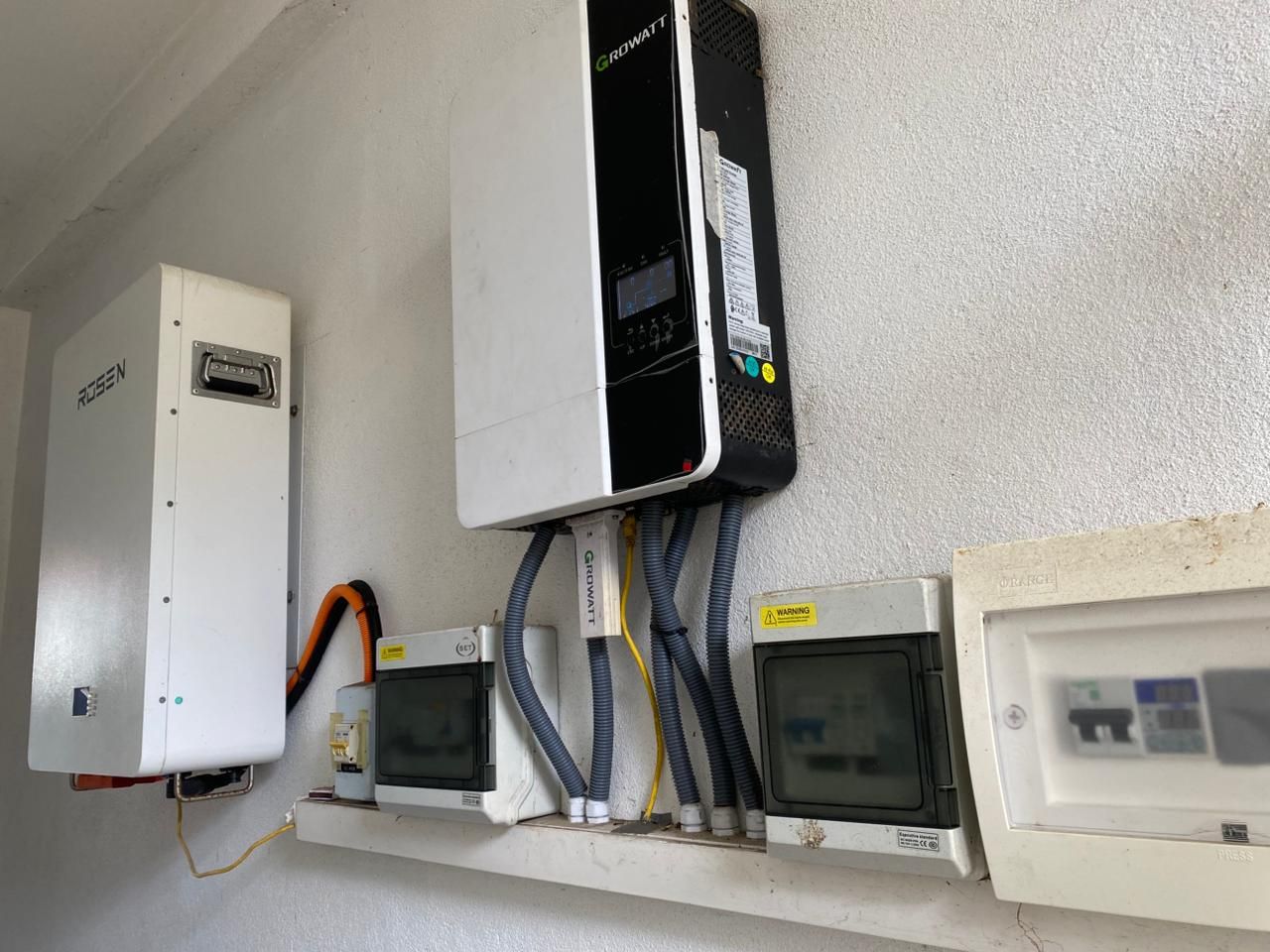
Growatt off-grid inverter beside a lithium battery cabinet and protection enclosures
Growatt — off-grid

A Growatt off-grid inverter next to its lithium battery, with the changeover and existing house board kept in place alongside.

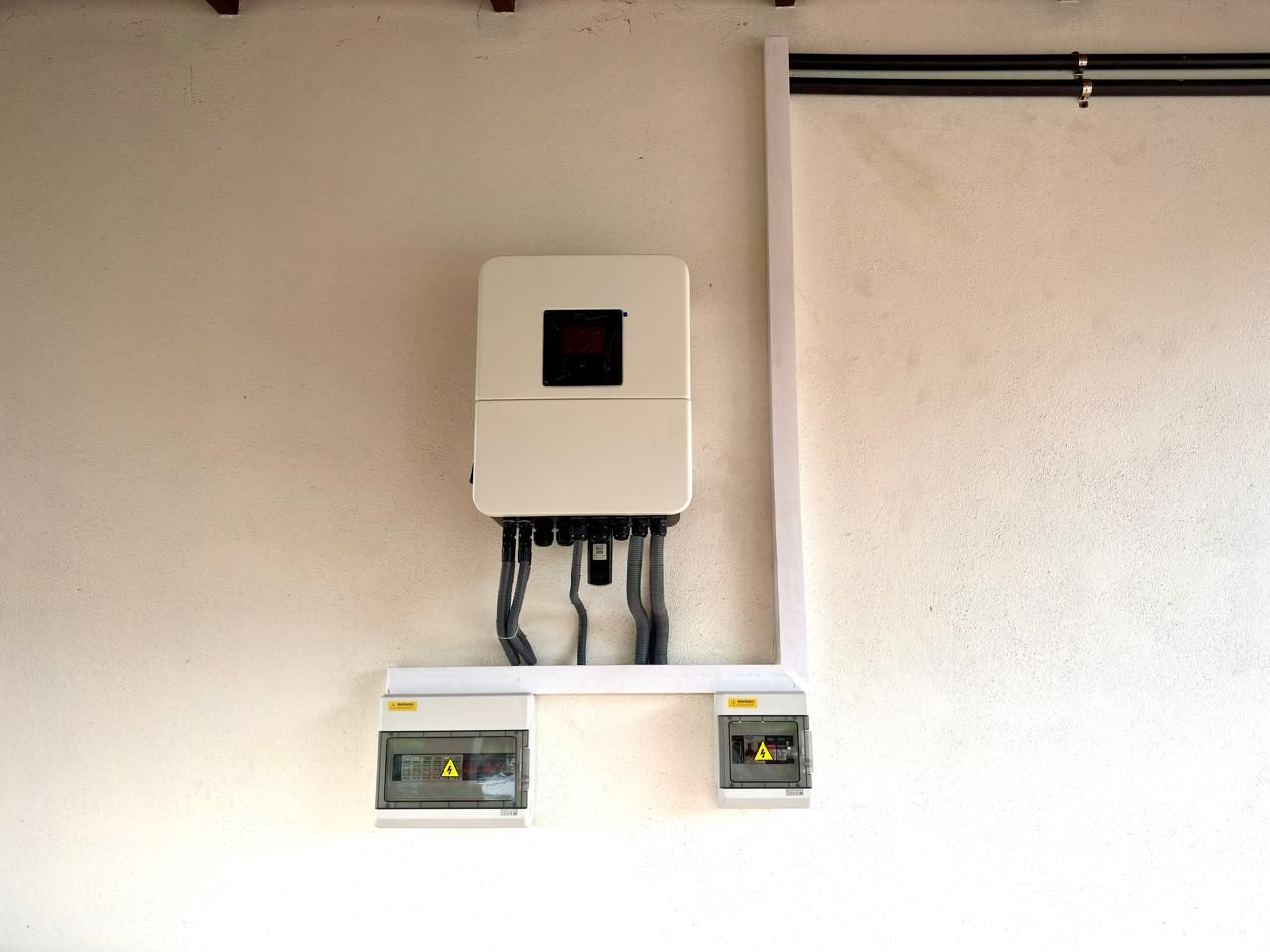
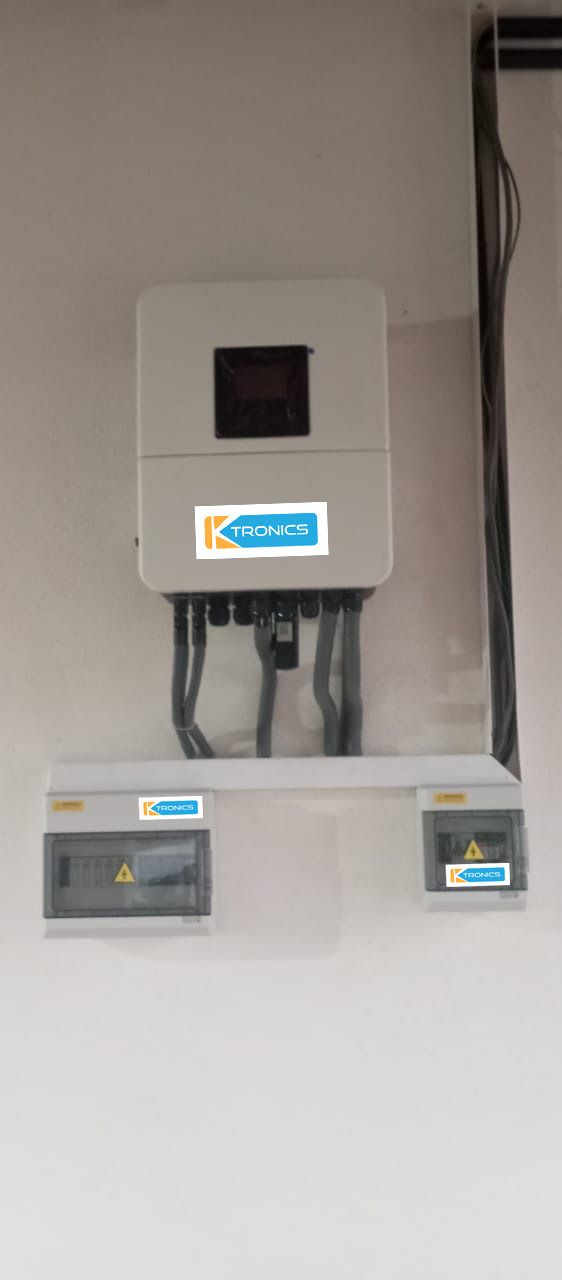
Hybrid inverter and two protection enclosures carrying KTronics labels
Installed and labelled by us

Our own label goes on the inverter and both enclosures — so years later the owner knows who to call, and so do we.

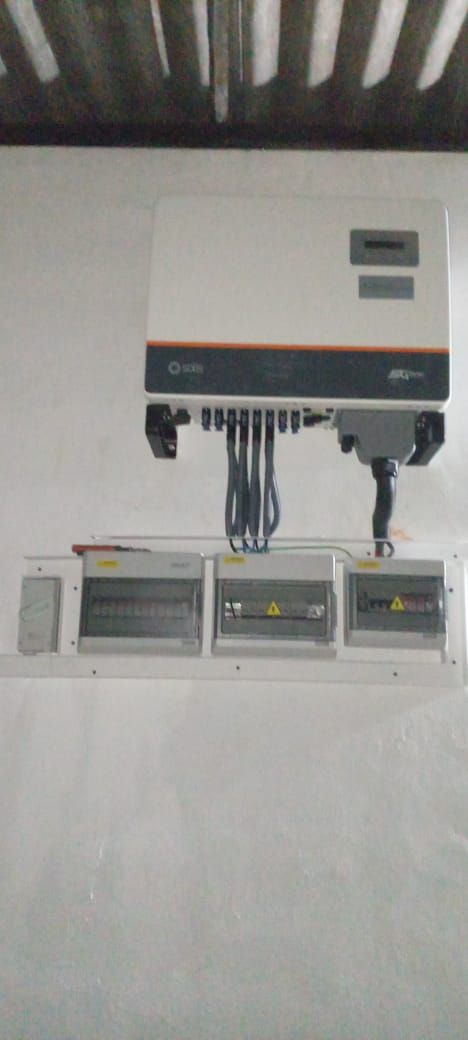
Three-phase Solis inverter with four protection enclosures mounted beneath it
Solis — three-phase, commercial

A three-phase Solis on a 40 kW system, with DC isolation, surge protection and AC protection in separate enclosures below it.

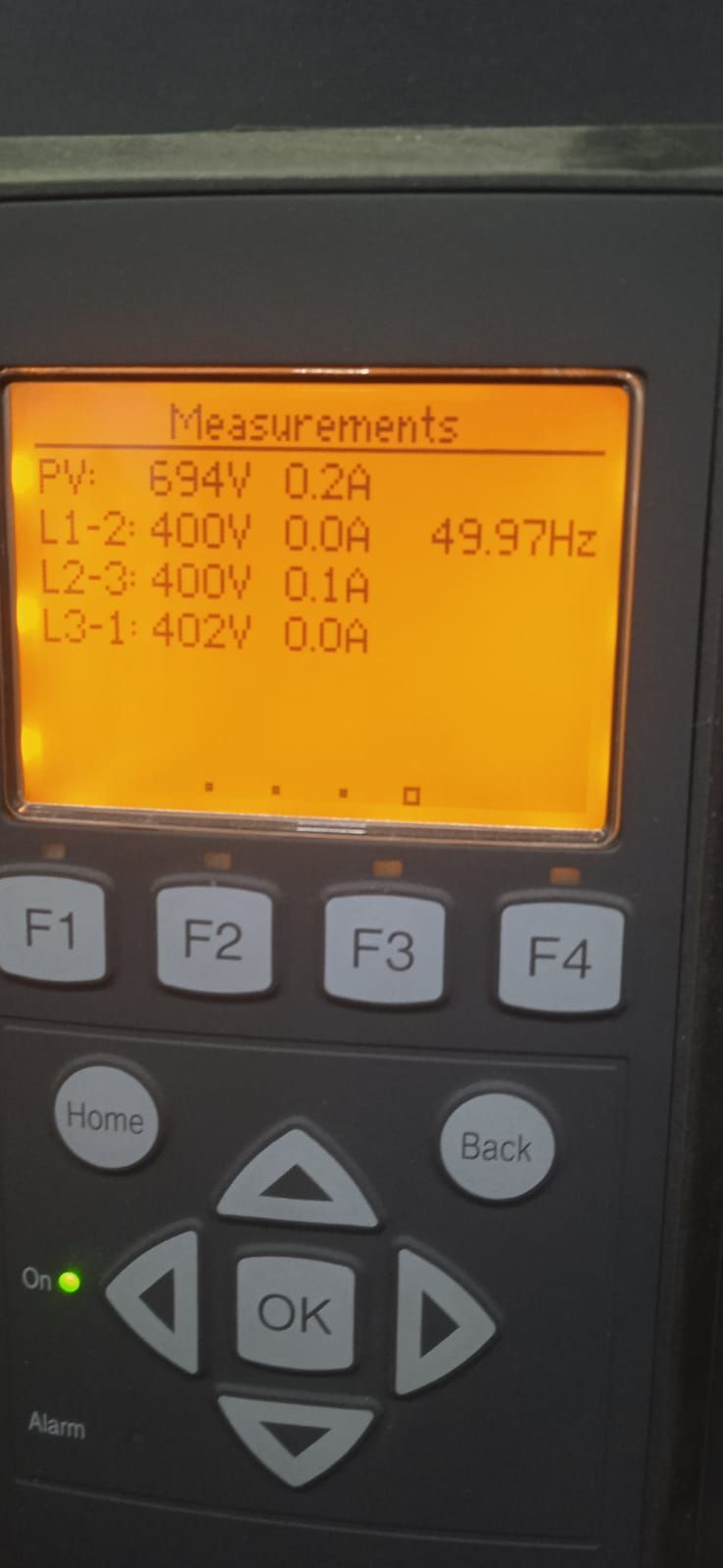
SMA commercial inverter display showing PV string voltage and three-phase measurements
SMA — commercial, on test

A commercial SMA three-phase inverter under test: 694 V coming in from the array, 400 V across all three phases, 49.97 Hz.

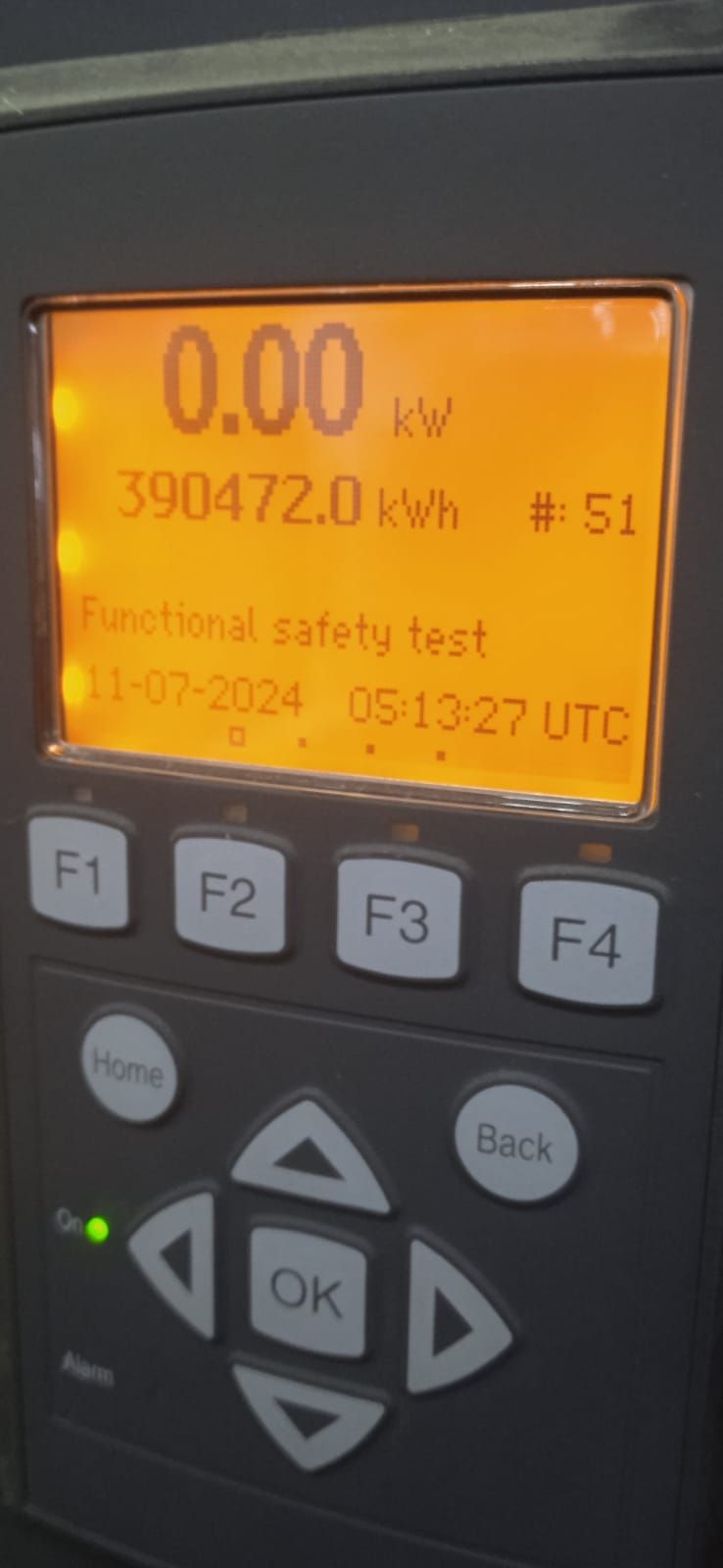
SMA commercial inverter display showing lifetime energy of 390,472 kWh and a logged functional safety test
SMA — 60 kW class

The same machine's lifetime meter: 390 MWh delivered, with a functional safety test logged. This is the class of inverter we are sent to repair.

Structures

We build the structure the panels sit on

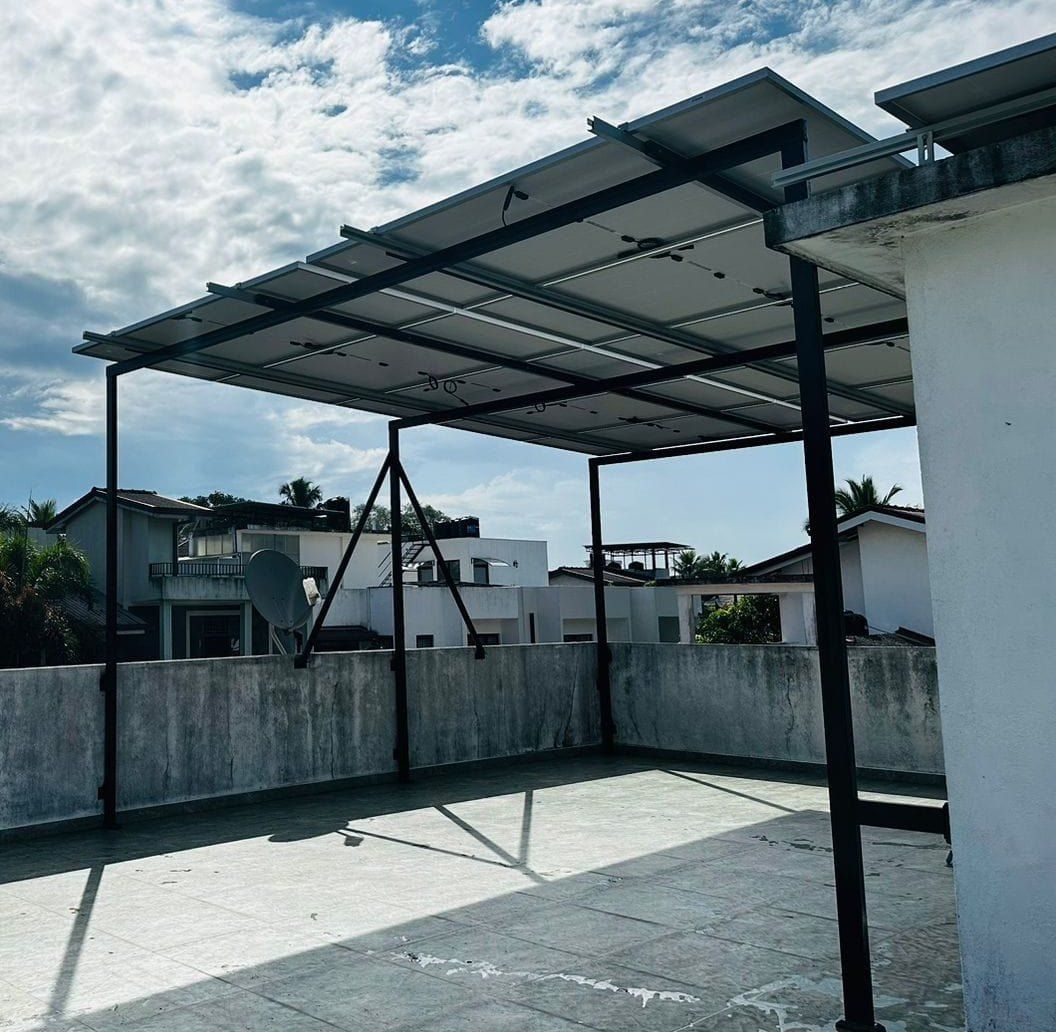
Not every roof is ready for solar, and not every array belongs flat on the tiles. Where the roof faces the wrong way, is too shaded, or is simply needed for something else, we fabricate a steel structure to carry the array at the right pitch — and the space underneath stays usable.

  • Elevated frames over roof terraces, so the array shades the slab instead of wasting it
  • Pitched mounting on flat concrete roofs, set to the angle the site actually needs
  • Grade A aluminium railing, mid-clamps and L-hooks itemised in the quotation
  • Cable routed in conduit along the structure rather than draped across the roof
Steel frame built over a roof terrace carrying a solar array, with the terrace left usable underneath
A steel frame carrying the array over a roof terrace. The panels take the sun, the terrace keeps its shade, and the whole structure is bolted down rather than ballasted.

Commercial & industrial

Businesses, schools and farms

Rooftop systems sized from the site's own consumption, connected under net metering — and the electrical work around them. On a commercial site the interesting part usually starts after commissioning, when the grid turns out not to behave the way the design assumed.

One World Foundation, Ahungalla — a school with its own transformer

A 20 kW SMA Sunny Tripower on a 30-panel array totalling 19.05 kWp. After commissioning we fitted a three-phase energy meter and logged the supply for four days. It showed undervoltage and repeated three-phase unbalance through daylight hours, and none at all after dark. We traced it to solar export backfeeding the transformer, made worse by its tap setting, and put the analysis in writing so the school could take a documented case to its utility rather than an anecdote.

  • 20 kW
  • 2025
  • SMA

Greengrow Agriculture, Padukka

Solar for a working agricultural site on an industrial three-phase supply, with surge protection, wiring and earthing, and the utility application and commissioning handled by us.

  • Net metering

Access Engineering — commercial inverter repair

Two SMA Sunny Tripower 60 kW commercial inverters and a Sungrow unit booked in for repair. Not an installation: the kind of work that only makes sense if you can diagnose power electronics rather than swap boxes.

  • 2024
  • 60 kW units

Yasas Engineering — printing plant, Biyagama EPZ

Industrial power wiring inside an export processing zone, where the standard of the installation is inspected rather than assumed.

  • 2025
  • Industrial

Homes

From one kilowatt to forty

The bulk of our solar work. Systems on file run from a single 1 kW off-grid inverter up to 40 kW, and 5 kW is the most common package by a wide margin. We size from the electricity bill and the roof, not from a price list. Private customers are not named here.

40 kW, Galle district

Our largest private systems. A Solax X3-MEGA G2 on a multi-row rooftop array, with the utility approval obtained before commissioning.

  • 40 kW
  • Solax

20 kW, Gampaha district

Paid down in twelve instalments across three months while the work ran, with the CEB application prepared and submitted by us. The staged schedule was set out in the agreement before anything was ordered.

  • 20 kW
  • 2025

10 kW hybrid with battery and automatic changeover

A Deye SUN-10K hybrid, 19 JA 635 W bifacial panels, 17 kWh of lithium iron phosphate storage and a 63 A automatic transfer switch, so the house changes over without anyone touching a breaker.

  • 10 kW
  • 2025
  • 17 kWh

5 kW inverter, 6.35 kW of panels, Colombo district

A GoodWe with ten Jinko 635 W bifacial panels — deliberately more panel than inverter, because the inverter is the cheaper half to outgrow. Every panel serial number is printed on the customer's invoice, so they can prove what is on their own roof.

  • 5 kW
  • 2025
  • GoodWe

5 kW hybrid with a battery we built

A Deye hybrid, eight JA 620 W N-type panels, a 63 A transfer switch and a 5 kW 48 V lithium iron phosphate pack we assembled ourselves — 16 cells on a JKBMS 200 A management board.

  • 5 kW
  • 2025
  • In-house battery

Retrofit around an inverter the customer already owned, Kandy district

Eight Jinko panels and a 63 A rotary changeover added to an existing Must inverter, together with the AC surge protection the original installation had been missing. Nothing was replaced that did not need replacing.

  • 2025
  • Retrofit

1 kW off-grid

The smallest job in our files, and it is on this page for the same reason as the 40 kW ones.

  • 1 kW
  • 2025

Backup power

Power that does not stop when the grid does

Off-grid and hybrid inverters with battery storage, automatic changeover, and generator control. We work with the equipment already on the wall wherever it will support what is needed.

Off-grid with battery backup for a business, revisited for service two years later

Installed in 2022 and serviced in 2024 — the second visit matters more than the first, and it is the part most installers never come back for.

  • 3 kW
  • 2022 & 2024

Generator control, surveyed to the wiring

On a 35 kVA standby set we found the controller was flattening its own starting battery because no float charger had been wired — the reason the battery is so often found disconnected. We work on the auto-start module already fitted rather than selling a new panel: charging and battery faults first, then remote start.

  • 35 kVA
  • Survey

Automatic transfer and changeover on solar installations

63 A automatic transfer switches on hybrid systems and rotary changeovers on off-grid retrofits, wired so the house or the site hands over in the right order — and labelled so the owner can see which switch does what.

  • ATS
  • Changeover

Control & compliance

The work that is hard to photograph

Control, protection and the paperwork that makes an installation legal. It is the least visible part of what we do and the part that decides whether a system is safe and approved.

Grid-code compliance, certified to the customer

Low-voltage ride-through configuration carried out and reported against the SLSEA reference, so the customer holds documented proof their inverter meets the grid code.

  • LVRT
  • Compliance

Utility applications, in writing and in the customer's name

CEB and LECO net-metering applications prepared and submitted on our customers' behalf. Where a customer wants a larger export-limited hybrid than their approval allows, we put the request to the utility in writing, naming the model and the export-limiting feature, instead of installing it quietly.

  • CEB
  • LECO

Manufacturer claims pursued for the customer

When the wrong inverter model was supplied, we raised the complaint with the manufacturer ourselves rather than leaving the customer to argue it alone.

  • Warranty

Networks & security

Cabling, cameras and data

Structured cabling, data points and camera systems. This work is older than our solar work and there is less of it, so it is listed briefly and honestly.

Hospital project, Kalutara district

CCTV and structured data cabling delivered for a state engineering client in 2019, with LAN and telephone systems following in 2021.

  • 2019 & 2021
  • CCTV & data

Our own work, photographed on site

Not stock photography. These are boards, enclosures and controllers on customers' installations — the parts that decide whether a system is safe, and the parts nobody photographs because they are behind a cover.

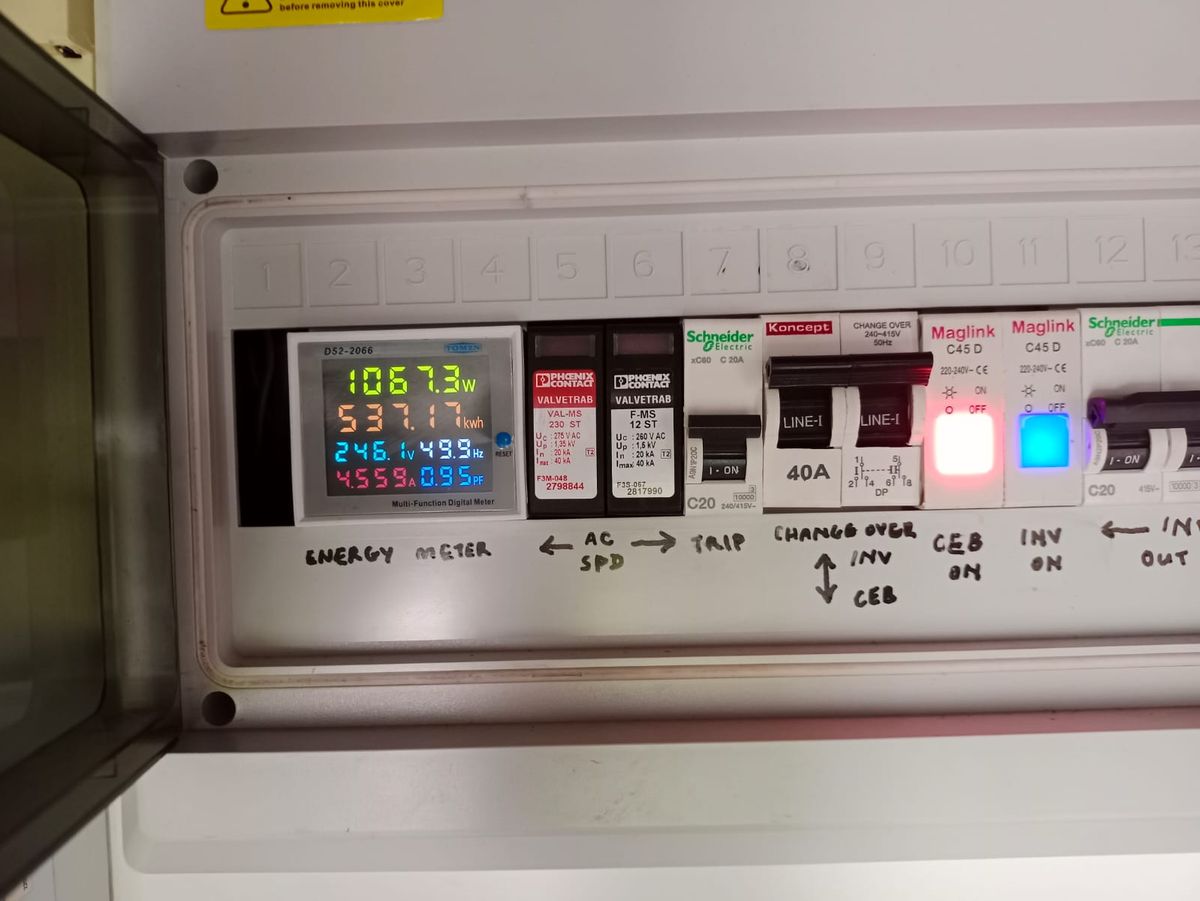
Distribution board with hand-written labels reading energy meter, AC SPD, changeover inverter to CEB, CEB on and inverter on
A handover you can read. The board is labelled by hand so the owner can see which switch is the changeover and which is the inverter, without phoning us to find out.
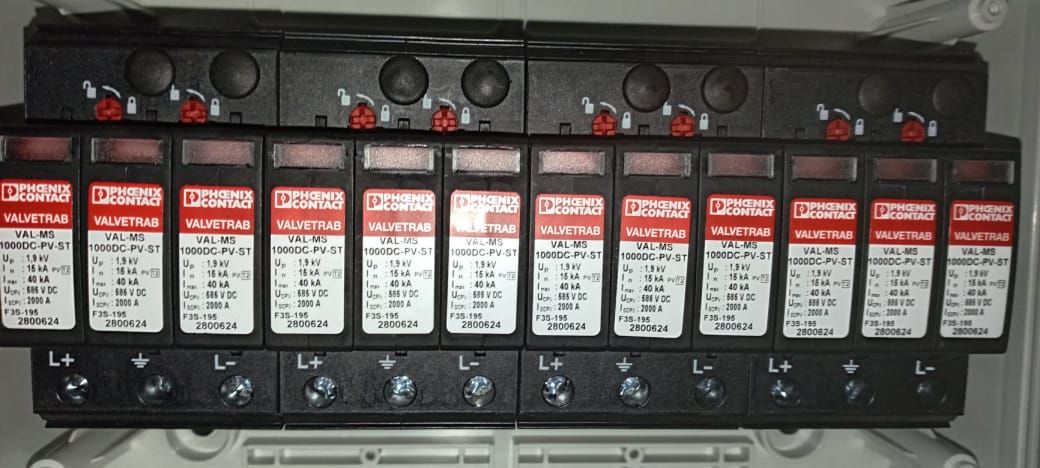
Twelve Phoenix Contact 1000 V DC surge protection modules mounted in a row
Twelve 1000 V DC surge protectors on one array. Our quotations refuse cheap surge protection, because fitting it voids the inverter warranty we then have to honour.
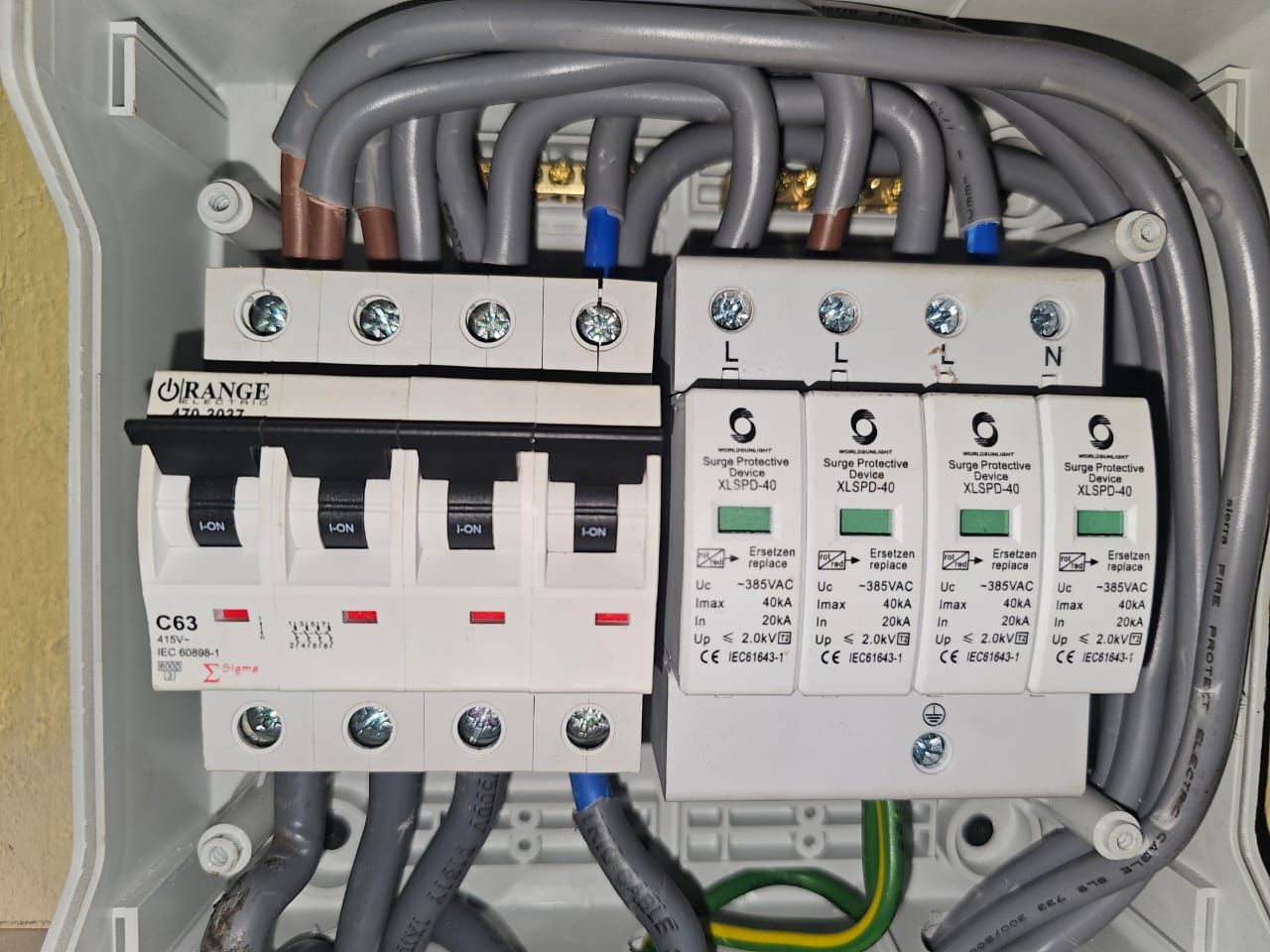
Interior of an AC combiner box with a four-pole 63 A breaker and four surge protective devices
Inside an AC combiner: a four-pole 63 A breaker, four surge protectors, and conductors loomed to length.
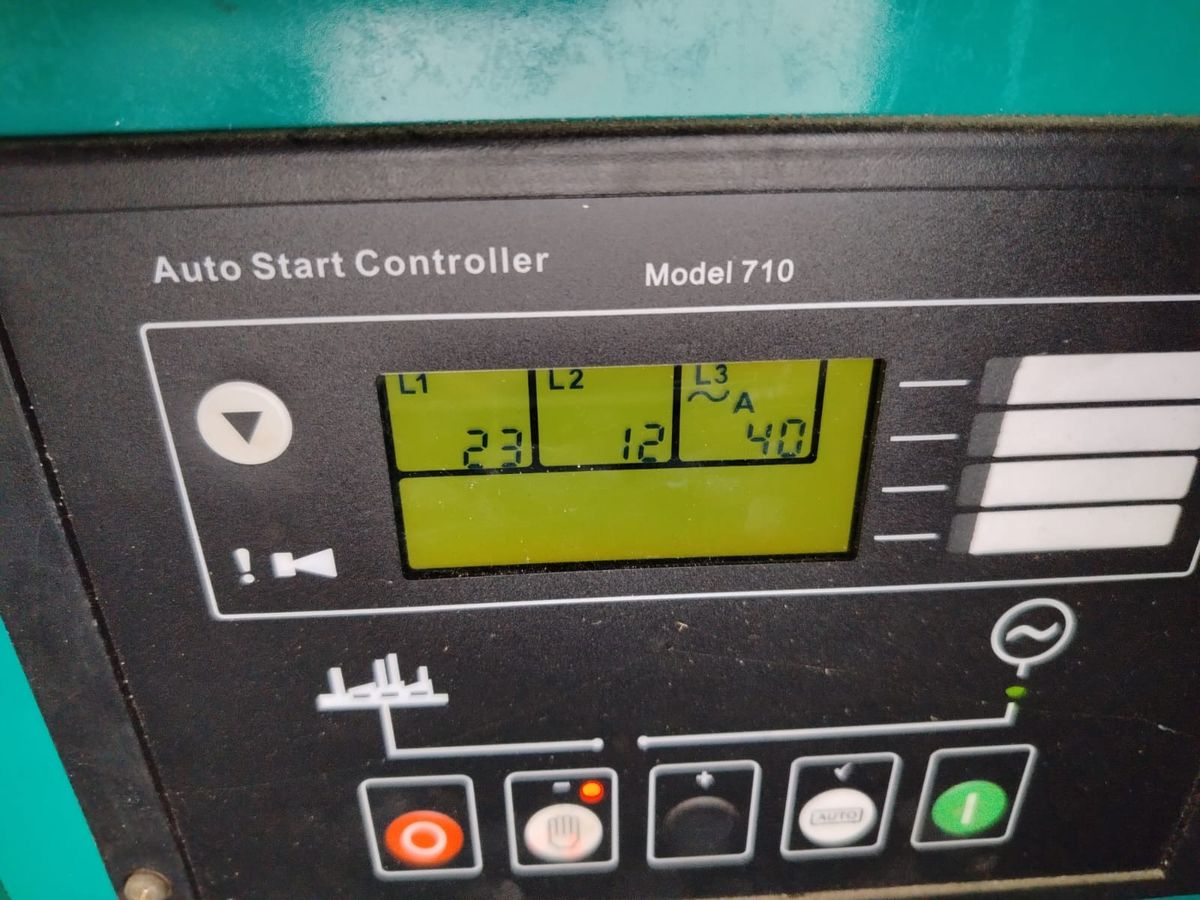
Generator auto-start controller displaying live three-phase currents
A standby generator's auto-start controller showing live currents on all three phases. We retrofit the module already fitted rather than replacing the panel.
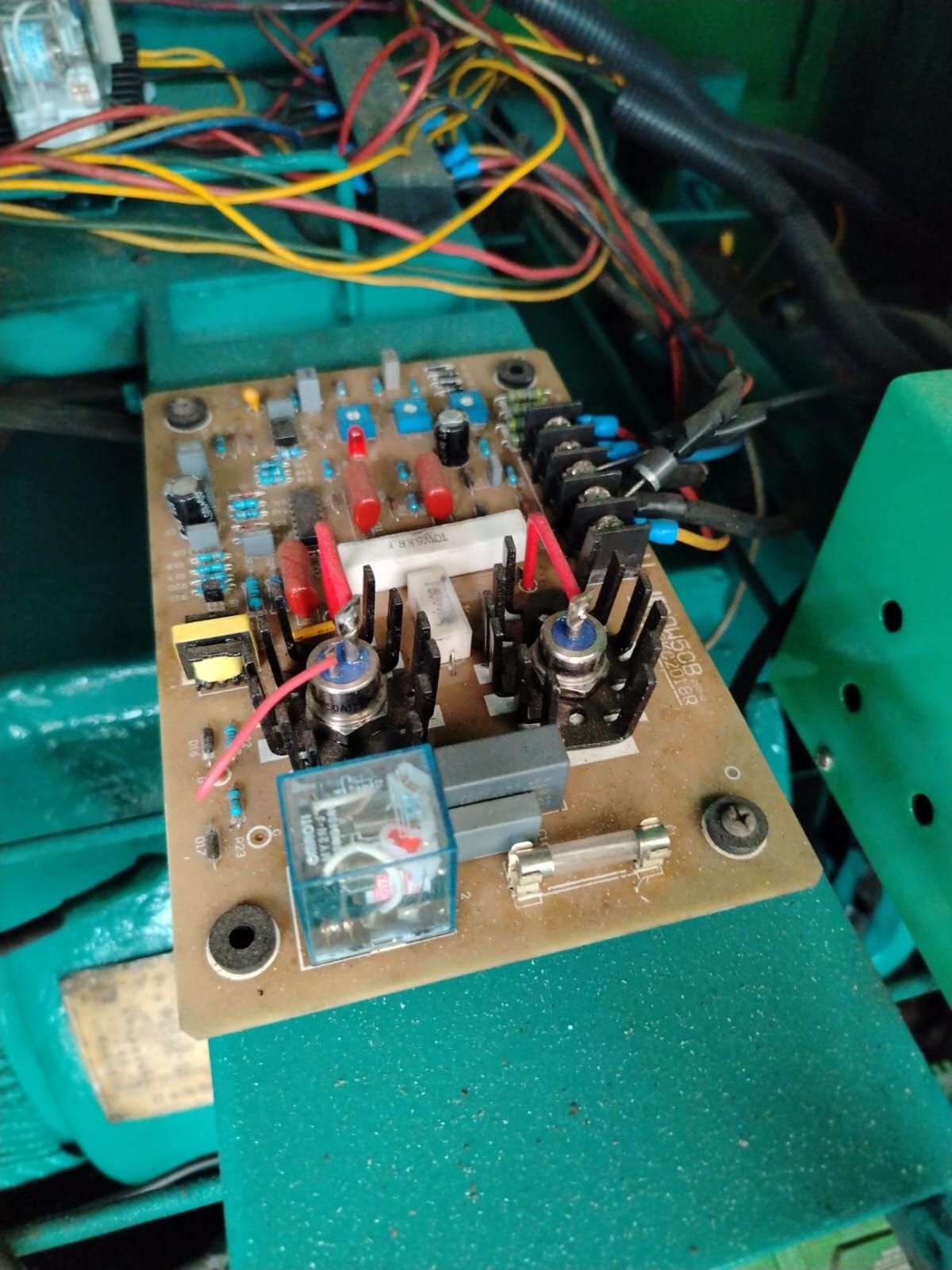
Generator control board removed for inspection, with its wiring loom visible
The same set's control board, out for inspection. Diagnosis starts at the wiring, not at the quotation.
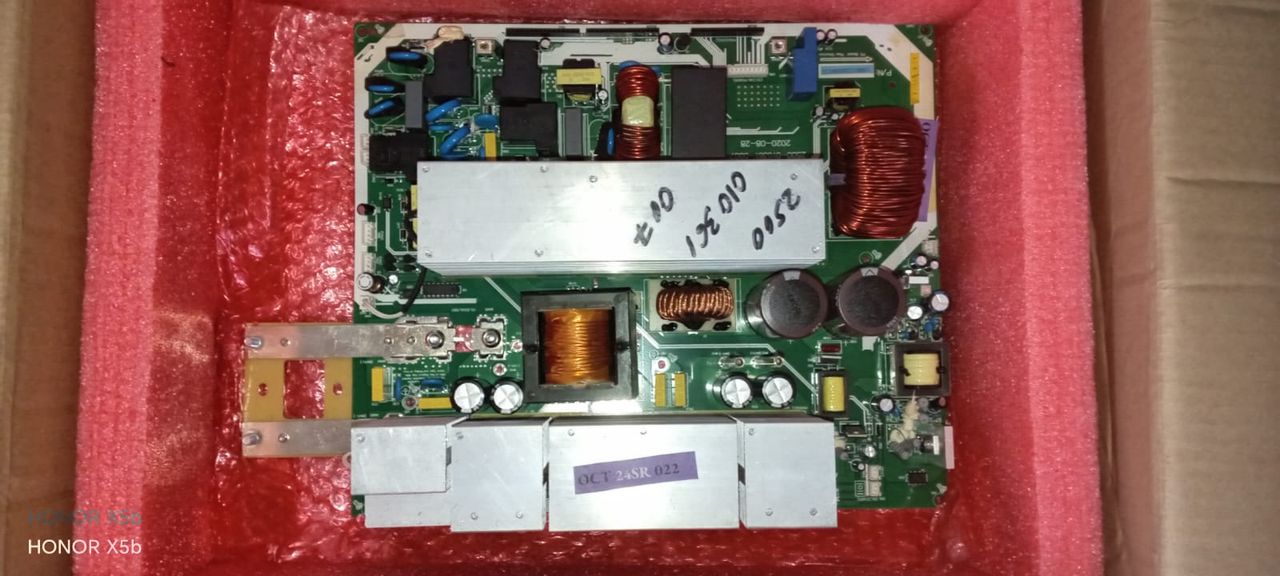
An inverter power board on the bench during diagnosis
An inverter power board off a customer's unit. A fault traced to the board is a repair; a fault assumed is a replacement invoice.
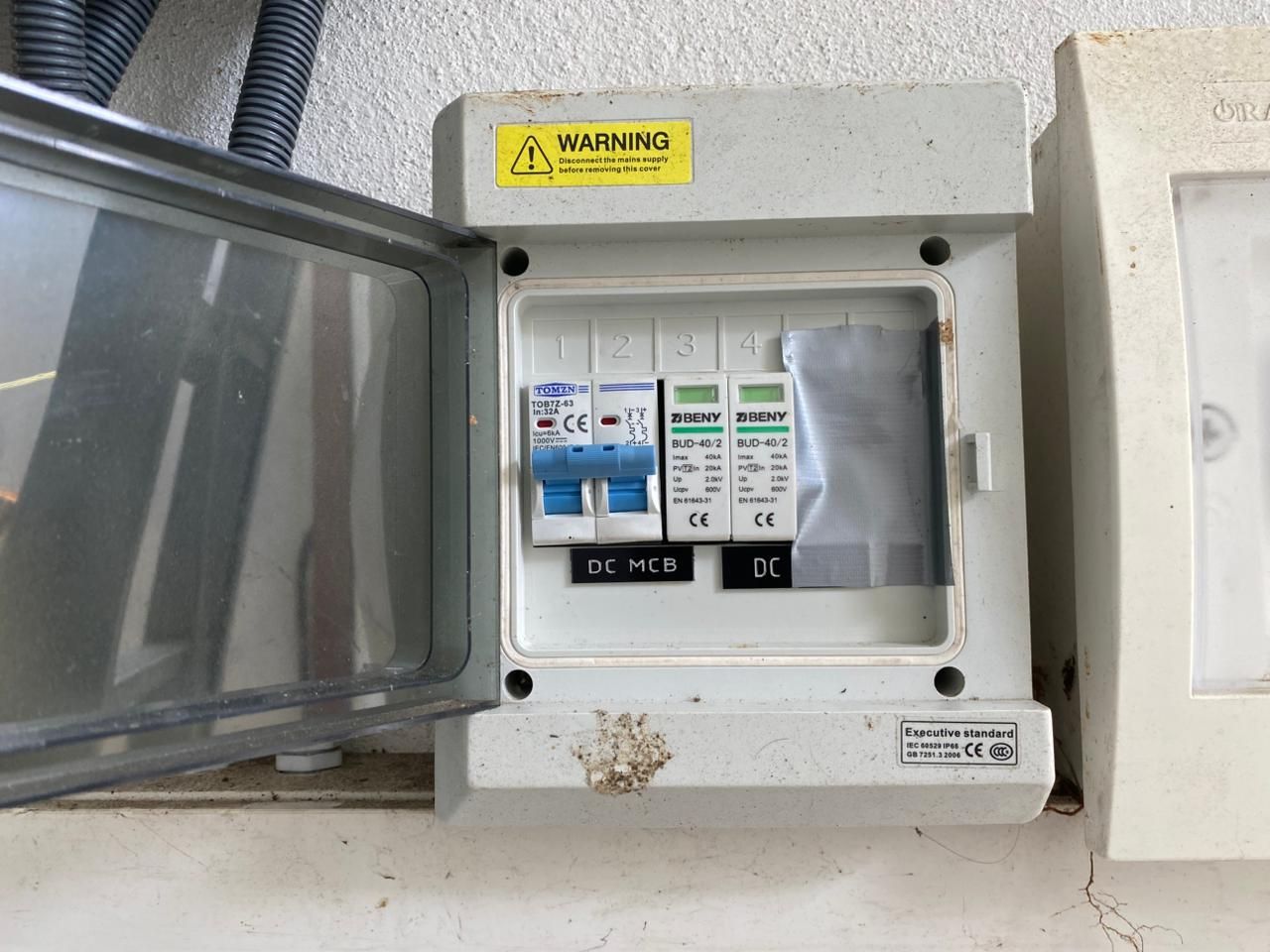
DC isolator enclosure containing a 32 A DC breaker and two DC surge protectors, labelled DC MCB
DC isolation and surge protection, labelled and housed in its own IP-rated enclosure.
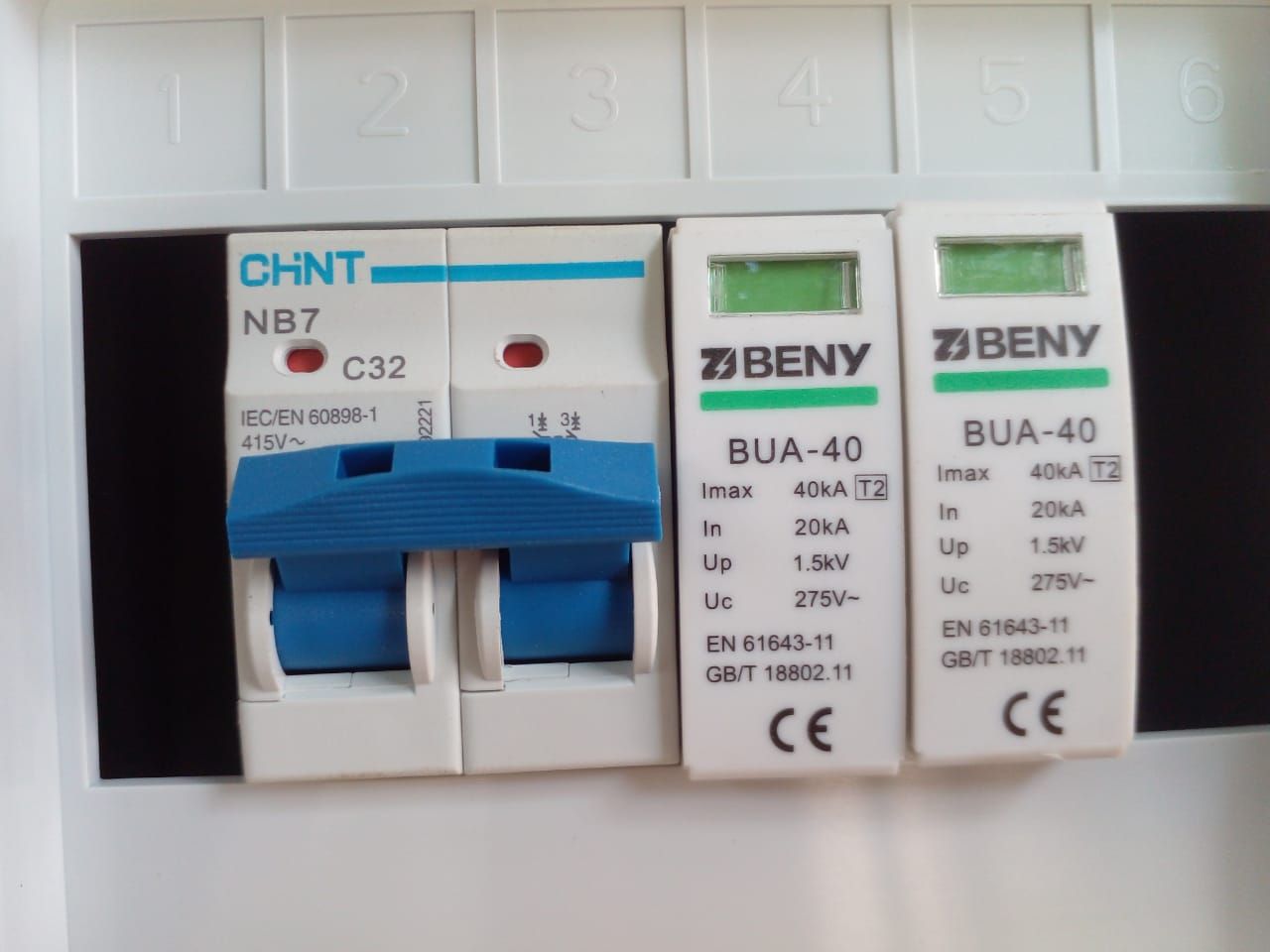
AC protection with a 32 A double-pole breaker and two type-2 surge protective devices
AC protection on a domestic system: a 32 A double-pole breaker and two type-2 surge protectors.

What a project looks like with us

Most of this is written into the agreement we ask you to sign, so you can hold us to it.

  1. Survey and measure

    We look at the roof, the distribution board and the bill before quoting. Some sites need work first — earthing, lightning protection, a dedicated breaker — and we say so up front rather than discovering it on installation day.

  2. A costing you can check line by line

    Our agreements itemise the panels, the inverter, the surge protectors, the changeover switch, the enclosures and the metres of cable, down to the clamps and connectors.

  3. Staged installation, staged payment

    Work starts on a deposit, and the remaining instalments fall due as each stage completes. The schedule is in the agreement before anything is ordered.

  4. The utility paperwork is ours

    CEB and LECO net-metering applications are prepared and submitted on your behalf. Approval is granted to you; getting it is our job.

  5. Then it stays monitored

    Your system is added to our monitoring platform, and we watch it from there — which is where most of our work with you actually happens.

What happens after we leave →

Organisations we have worked with are listed on the clients page.

Planning something similar?

Tell us what you need and where. An engineer will look at the site and tell you what is actually worth doing.

All ways to contact us →