
For Business · Uninterrupted Power
Power that keeps running when the grid does not
One backup source is one point of failure. We layer them — a battery bank that takes the load within milliseconds, a standby generator that starts itself for the long outages, and monitoring that watches both. Built around the generator you already own. No new generator. No new controller.
A single backup is a single point of failure
A UPS on its own runs flat. A generator on its own leaves a gap and may not start. Each one fails in exactly the place the other is strong.
The UPS runs out
A battery bank carries the load for minutes or hours. In a long outage it drains — and if nothing takes over after it, the site goes dark anyway.
The generator will not start
Standby sets drain their starter battery over weeks of sitting idle. The usual fix is to disconnect it — which means the generator can no longer start on its own at all.
The gap in between
A generator needs seconds to start and come up to speed. Without a battery covering that gap, computers reboot, lines stop and cold rooms lose their cycle.
You find out during the outage
The first real test is the moment you actually need power — which is the worst possible moment to discover a layer has quietly failed.
How the layers work
Each layer covers the one before it failing
Grid & solar
Normal supply. Solar takes cost off the bill during the day and keeps the batteries charged.
Battery bank
Takes the load within milliseconds of a grid failure. Equipment keeps running — no reboot, no restart.
Standby generator
Starts itself when an outage outlasts the batteries, carries the site and recharges the bank.
Monitoring
Watches every layer — grid state, battery charge, generator status — and warns you before one of them fails.
What you get
Monitoring tells you what happened. Control changes what happens next.
Automatic hand-over
Grid, battery and generator take over from each other in order, with nobody at the panel — and hand back when the grid returns.
Start and stop from your phone
Run the generator from a phone or a browser, wherever you are. No site visit, no waiting for a technician to be free.
Automatic weekly test run
The maintenance every generator manual requires and almost nobody performs, carried out on schedule without anyone attending.
A logged record of every outage
When the grid dropped, how long the batteries carried the load, when the generator started and for how long. A year of evidence that your backup works.
Alerts before failure
Battery charge and health, generator starter battery, fuel, failed start attempts, run hours due for service. Warnings while there is still time to act.
Every site on one screen
Branches, towers or plants in a single view, with per-site access for the people responsible for each.
The three marked Control are what most monitoring products do not do. Watching a backup fail is not the same as preventing it.
Retrofit, not replacement
Redundancy does not mean buying everything twice
Ask anyone else for automatic backup and the quote starts with a new controller, or a new generator. That is where most of the cost sits — and most of the disruption.
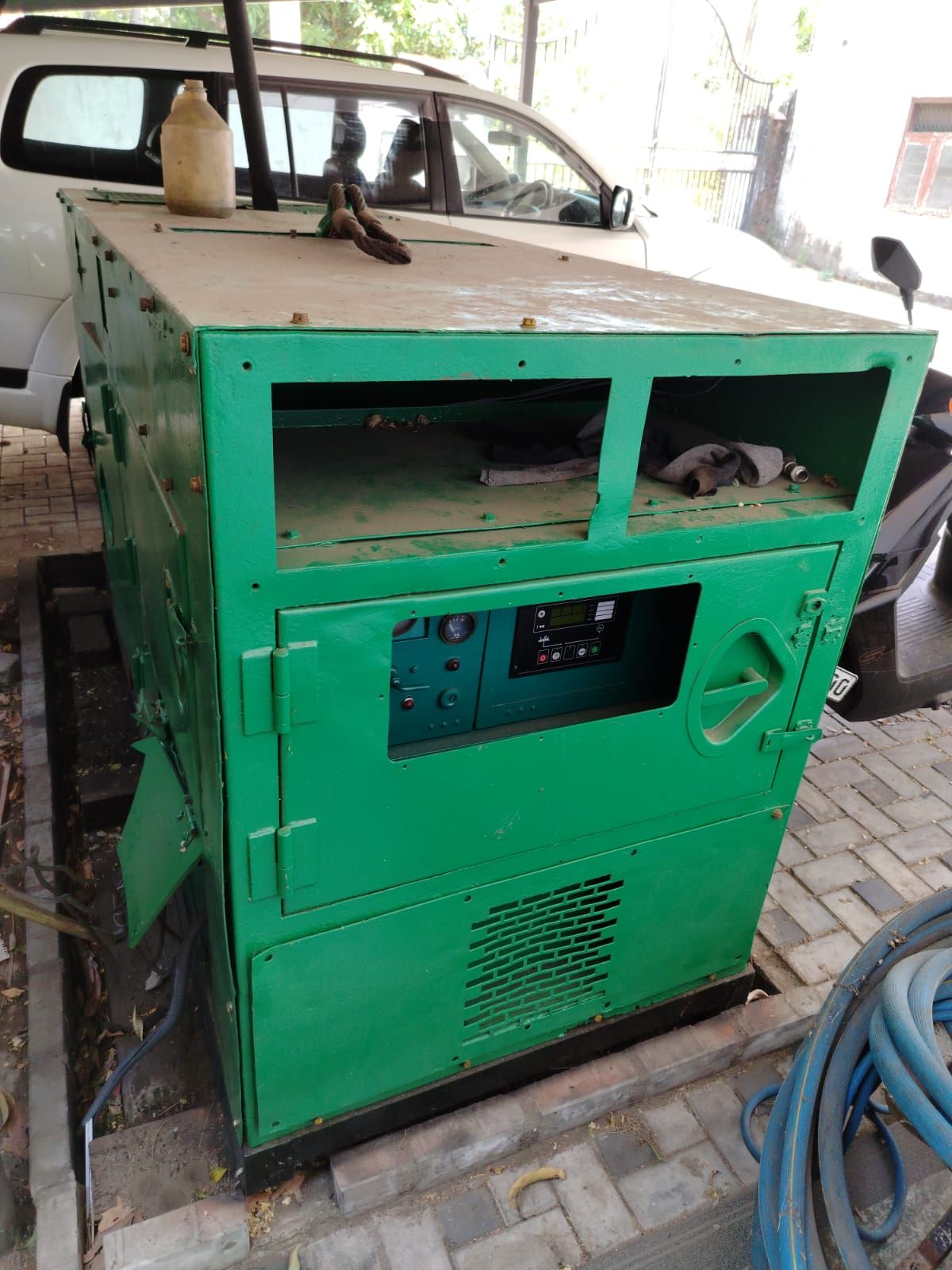
It is usually unnecessary. Controllers already fitted to most standby sets — the Deep Sea 700 series among them — have auto-start built in and dormant. We work with what is on your wall and add only the layer that is missing: no panel replacement, no rewiring the set, no downtime while a changeover is rebuilt.
Your generator stays
We interface with the existing set and controller rather than replacing them. The panel your technicians know keeps working exactly as it does now.
The battery stays connected
Continuous charging for the starter battery, so nobody has to disconnect it to stop it draining — and the set keeps its ability to start itself.
Priced for the gap
We add the missing layer, not a hardware sale you did not need — so the price reflects the work.
We survey the site first and tell you honestly what your existing equipment supports. If it does not, we will say so rather than sell you a replacement you did not come for.
The part auditors ask about
"Show me your backup power was tested every week last year"
Most organisations cannot answer that. The runs either did not happen or were never written down. With automatic testing, every outage and every start is logged as it occurs — so a year of evidence builds itself. No log book, no memory, no gaps.
Built for sites where the power cannot simply stop
Hospitals & clinics
Where a failed start is a clinical emergency, not an inconvenience
Hotels
Guest-facing outages that cost bookings and reviews
Data centres & telecom
Uptime commitments with financial penalties attached
Factories
Halted lines, spoiled batches and restart costs
Banks & retail chains
Many small sites, no technician at any of them
Cold storage
Stock that is lost within hours of losing power
Remote start, designed safely
Starting an engine from a phone is only acceptable with interlocks that make it safe. Every installation includes a local lockout that overrides remote control, a maintenance mode that blocks scheduled and manual starts while anyone is working on the set, and a changeover-state check before any start command is accepted — so the generator can never be connected against a live grid. Your technicians stay in control of the machine they are standing next to.
Run the generator less
Already have a generator? Convert it to a solar hybrid.
Solar and a LiFePO4 battery bank added around the set you already own, so the generator only runs when the batteries need it — less fuel, fewer run hours, and peak-rate power bought from the battery instead of the grid.
Site assessment
Find out how long your site would stay up today
We will look at your loads, batteries, generator and changeover, and tell you plainly where the single points of failure are and what it would take to close them. No obligation.