Monitoring & Control Systems
Built around your equipment, not around a product we sell
We are not a hardware vendor with one box to fit everywhere. We build the monitoring, alerting and remote control your plant needs, using whatever will read the equipment you already own — and then we run it for you.
We did not build this to sell it. We built it because we needed it.
Our own customers' systems run on the platform described here. It collects from two different manufacturers' clouds, six times a day, and tells us about a fault before the customer notices one. Everything on this page is something it already does.
What we build
Reading equipment that was never meant to be read
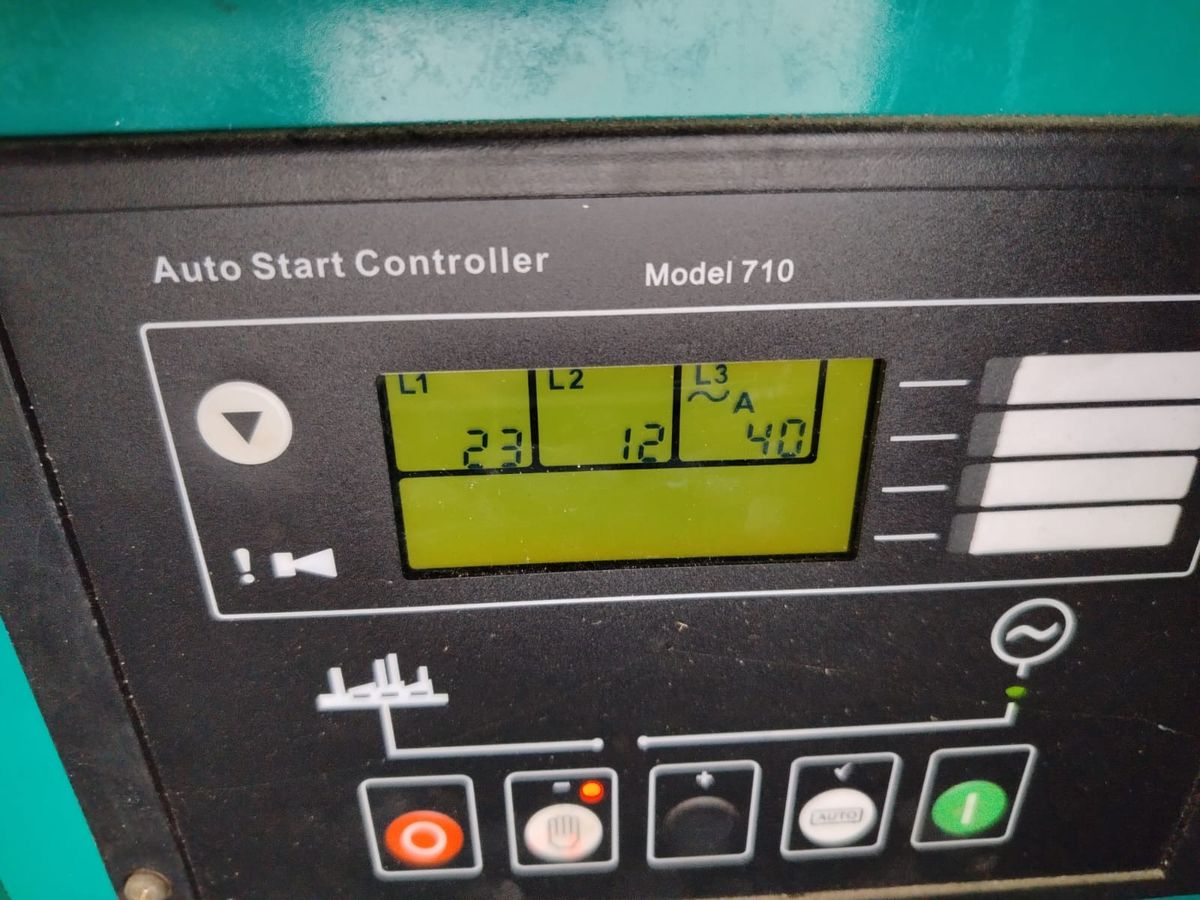
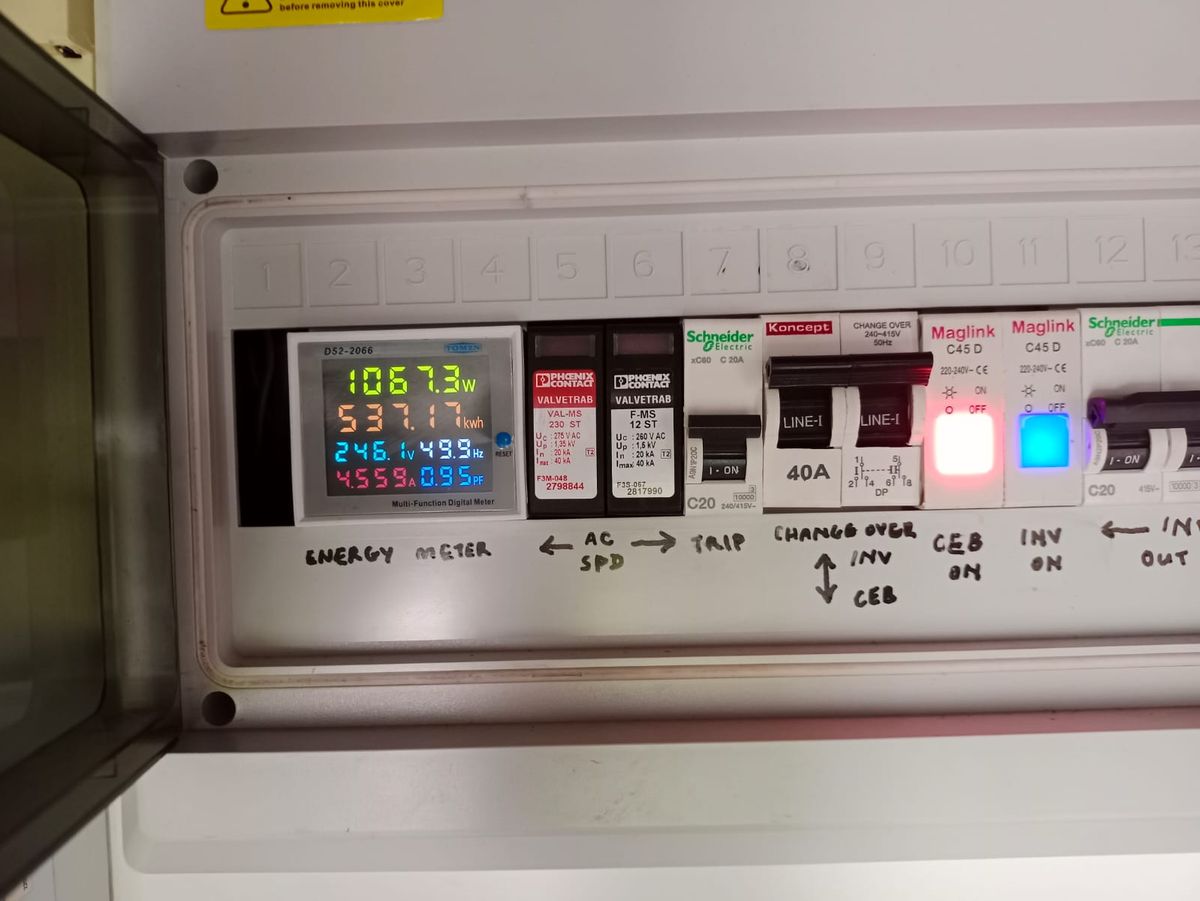
Inverters, battery management systems, generator controllers, meters and sensors — through the manufacturer's cloud where one exists, and directly from the machine where it does not. If the data can be got at, we get at it.
Alerting that knows when to stop talking
An alarm is only useful if someone reads it. Ours repeat a fault a limited number of times and then go quiet, so a standing problem does not bury a new one, and nobody learns to ignore the emails.
Reports people actually receive
Scheduled summaries by email — per site and across a whole estate — so the people responsible see the same numbers without logging into anything.
Control, not just observation
Starting, stopping and switching equipment remotely, with the interlocks that make it safe: a local lockout that beats the remote command, and a state check before anything is switched.
Retrofit before replacement
Most machines already have a controller with the capability dormant inside it. We would rather wire up what is on your wall than sell you a new panel.
History that survives
Measurements kept as plain, exportable records rather than trapped in a vendor's portal, so a year from now you can still answer what happened last March.
No product to defend
A vendor with a device to sell will find a way to fit that device to your problem. We have nothing to protect, so the answer can be a controller you already own, a gateway from whoever makes the best one, or a few lines of integration against an interface your equipment has had all along.
It also means we will tell you when the honest answer is that it is not worth instrumenting — before the invoice, not after.
How a system gets built
Survey
We look at the equipment, find out what it can already tell us, and say honestly what is readable and what is not.
One machine first
We instrument a single site or machine and run it for a while. You see real data from your own plant before committing to a rollout.
Roll out
The rest of the estate is added once the first one has proved itself, with the alerting rules tuned to what actually matters to you.
We run it
The platform is watched and maintained by us. When something breaks at four in the morning it is our problem, and you hear about it from us.
Where this pays for itself
Solar plants
Production compared against each plant's own baseline, and faults raised the same day
Standby generators
Start, stop and test remotely; know the battery is charged before the outage
Factories
Machine state, stoppages and alarms collected where the line actually runs
Cold storage
Temperature and power watched together, because one failure causes the other
Water pumping
Remote sites where nobody notices a stopped pump until the tank is empty
Multi-site businesses
Branches, towers and plants on one screen instead of one portal each
Monitoring & control
Tell us what you need to see, or to switch
Describe the equipment and what you wish it would tell you. We will say what is readable, what is not, and what it would take.